Understanding Kerb Ramps and Their Importance
Kerb ramps are vital accessibility features designed to facilitate smooth transitions between roadways and pathways for various users, especially those with mobility challenges. By providing a gradual incline, kerb ramps enable individuals using wheelchairs, scooters, and other mobility aids to navigate curbs without obstruction.

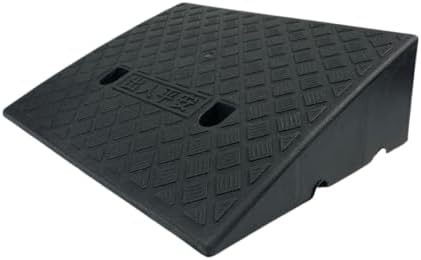

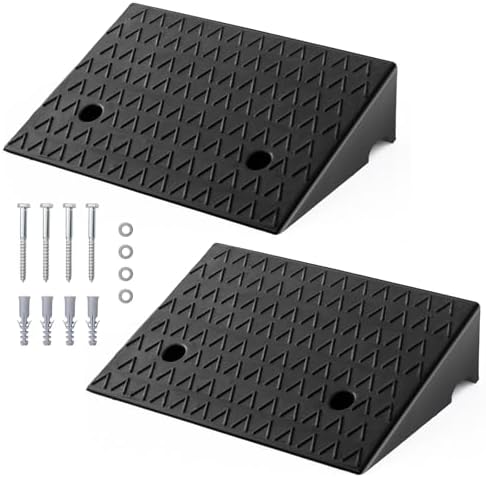


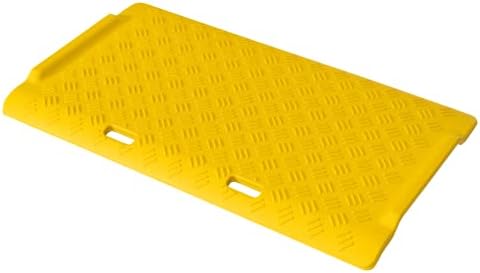

Additionally, these ramps assist parents with strollers, cyclists, and anyone who may struggle with step changes, ensuring that public and private spaces are inclusive and accessible.
The primary function of a kerb ramp is to eliminate physical barriers in environments where the curb height changes. This is particularly crucial in urban settings, where sidewalks and driveway alignments pose challenges for those who have limited mobility. In areas with a significant pedestrian presence, such as public transportation hubs, schools, and recreational facilities, the availability of suitable kerb ramps can greatly enhance accessibility and promote independence among individuals who rely on mobility devices.
Regulations and guidelines, such as the Americans with Disabilities Act (ADA) in the United States, mandate the presence of kerb ramps at various building entrances and street crossings. Adhering to these standards is essential to ensure compliance with accessibility laws while fostering a welcoming environment for all users. Moreover, the construction of properly designed kerb ramps reduces the risk of accidents or injuries, emphasizing their importance in safeguarding public safety. The right choice of kerb ramp can significantly impact the overall user experience, making it imperative to consider factors such as angle, material, and width when selecting a product. By understanding these elements, one can appreciate the role kerb ramps play in creating accessible, navigable spaces for everyone.
Key Features to Look for in Kerb Ramps
When selecting the right kerb ramp for your entrance, it is vital to consider several key features that contribute to its functionality and longevity. One of the primary considerations is the construction material. Kerb ramps are typically made from rubber, plastic, or concrete, each offering different levels of durability and weight capacity. Rubber ramps tend to be lightweight and portable, while concrete ramps provide more stability and strength but may require more effort to install.
The weight capacity of a kerb ramp is another crucial factor. It is essential to assess the maximum load the ramp can support, particularly if it will be used for heavy vehicles or mobility aids. Most manufacturers provide specifications regarding the weight limits of their ramps, and it’s advisable to choose a ramp that exceeds your expected usage to ensure safety and durability.
Size and slope characteristics are also important to evaluate. A kerb ramp should have an appropriate size that fits your specific entrance dimensions. The slope of the ramp plays a significant role in accessibility; a gentler slope is generally easier for both pedestrians and vehicle traffic. Checking the incline ratio can help you determine whether the ramp will be easy to navigate.
Ensuring that the ramp features a non-slip surface is another critical element. A textured surface can help prevent accidents, especially in wet or icy conditions, making it a safer choice for users. Finally, ease of installation should not be overlooked. Many kerb ramps come with features that facilitate quick setup without the need for complex tools or extensive modifications. Taking these key features into account will ensure that you select a kerb ramp that is not only effective but also provides optimal safety and convenience.
Comparing Different Types of Kerb Ramps
Kerb ramps come in various types and designs, each specifically tailored for certain needs and applications. Understanding the differences among these ramps is essential when selecting the most suitable option for your entrance.
One of the primary distinctions is between portable and permanent kerb ramps. Portable ramps are designed for easy movement and can be deployed or relocated as necessary. They are ideal for temporary situations such as events, where individuals may require short-term access solutions. Available in lightweight materials, these ramps can often support single vehicle access, making them perfect for scenarios such as delivery entrances or home use.
On the contrary, permanent ramps are constructed to remain in place and usually involve a more robust design. They are made from durable materials like concrete or heavy-duty plastic, ensuring longevity and stability. Permanent ramps are particularly beneficial for commercial properties or residences requiring constant accessibility for multiple vehicles. They often cater to a wider range of needs, providing solutions for both pedestrians and vehicular access.
Another noteworthy category is the distinction between standard ramps and modular ramps. Standard kerb ramps are typically manufactured in fixed sizes and shapes, limiting their adaptability. In comparison, modular ramps can be customized and fitted for various entryways, catering to unique elevation changes or specific requirements, making them a more flexible solution.
In summary, choosing the right type of kerb ramp comes down to evaluating the specific needs of your entrance and the extent of its use. By understanding the pros and cons of portable versus permanent options, and the differences between standard and modular designs, buyers can make an informed decision ensuring both safety and accessibility.
Tips for Proper Installation and Maintenance of Kerb Ramps
Installing kerb ramps correctly is essential for ensuring safety and functionality. Begin by choosing a location that provides easy access, making sure the ramp aligns properly with the surface it connects to. Clear the area of debris, and if necessary, level the ground beneath the ramp to prevent any uneven surfaces that could cause instability. Once the area is prepared, position the kerb ramp according to the manufacturer’s guidelines. Typically, it should have a slight slope that facilitates smooth transitions while accommodating the necessary weight limits.
To secure the kerb ramp, consider using strong adhesives or bolts, especially if it will experience frequent use or if environmental conditions may affect stability. Ensure that the ramp is placed on a flat and stable surface, allowing for better weight distribution and reducing the risk of slips or falls.
Once the installation is complete, it is crucial to implement a regular maintenance schedule. Inspect the ramp periodically for any signs of wear, such as cracks or rough edges that could pose safety hazards. Cleaning is equally important; simply use soap and water to remove dirt and debris that might accumulate over time, especially in weather-exposed areas. Avoid using harsh chemicals that could degrade the material.
In addition to routine checks and cleanings, be attentive to the environmental factors impacting the kerb ramp. For instance, extreme weather conditions, such as heavy rain, snow, or freezing temperatures, might necessitate more frequent inspections and proactive measures. If you notice significant damage or if the ramp has become unserviceable, consult a professional for repairs or consider replacing it to ensure continued safety and functionality.