Concrete Garden Kerbs
Garden kerbs are defined as edging materials used to outline and define landscape features within outdoor spaces. They serve both aesthetic and practical purposes, making them an essential element in garden design. By establishing clear boundaries, garden kerbs enhance the visual appeal of a garden, contributing to its overall landscape through various styles, colors, and materials. Available in an array of designs such as brick, concrete, and natural stone, garden kerbs can be tailored to complement the property’s architectural style and the homeowner’s preferences.
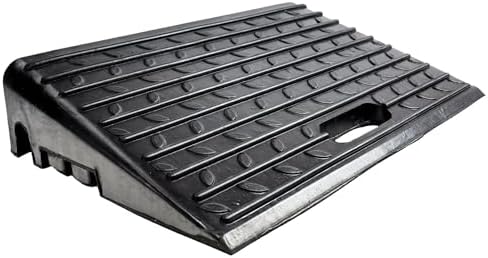
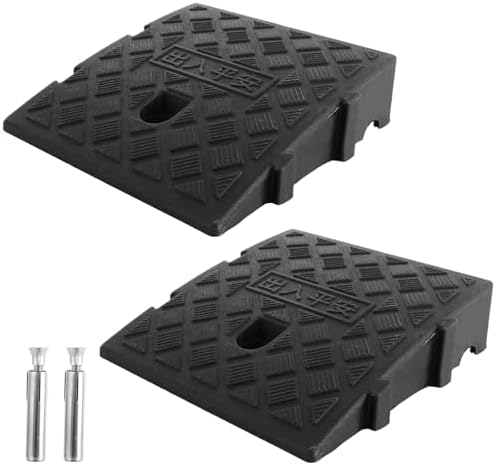
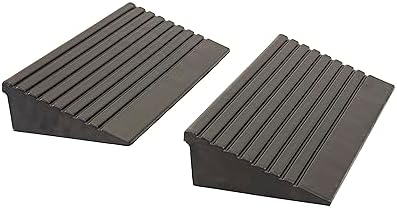
One of the primary functions of garden kerbs is to delineate garden boundaries, creating a visual separation between different areas. This not only organizes the landscape but also helps to maintain the integrity of various plant beds, flowers, and lawns. Moreover, garden kerbs play a crucial role in managing soil erosion. By acting as a barrier, they help to prevent the movement of soil during heavy rains, thereby preserving the landscaping and enhancing its longevity.
When selecting garden kerbs, several essential features should be considered. The material type is paramount; it influences not only the aesthetic appeal but also the durability and maintenance requirements. For example, natural stone kerbs offer a rustic charm but may require more upkeep compared to concrete kerbs, which often provide a sleek and modern appearance. Additionally, the height and thickness of the kerbing material can significantly impact its effectiveness, particularly in controlling soil erosion and providing a stable boundary.
Furthermore, landscape professionals suggest evaluating color and texture to ensure that the kerbs harmonize with surrounding elements. Overall, understanding the diverse types of garden kerbs and their unique benefits helps homeowners make informed decisions that contribute to the beauty and functionality of their outdoor spaces.
Factors Influencing Garden Kerb Prices
The pricing of garden kerbs in England is influenced by a multitude of factors, each playing a significant role in determining the overall cost. One of the primary considerations is the material type utilized in the kerbs. Common materials include concrete, stone, and plastic, each exhibiting distinct characteristics and price ranges. For instance, natural stone kerbs tend to be on the higher end of the spectrum due to their aesthetic appeal and durability, while concrete options offer a more budget-friendly alternative without compromising longevity.
Another critical element is the size and shape of the garden kerbs. Larger, more uniquely shaped kerbs typically require more material and labor, thereby increasing the overall cost. Simpler designs or standard sizes may be more affordable, appealing to various budget constraints. The complexity of the design also significantly affects pricing; intricate patterns or customized features necessitate additional craftsmanship and materials, which can escalate costs considerably.
The reputation of the brand can similarly impact kerb prices. Established manufacturers with a proven track record tend to charge a premium for their products, leveraging their experience and customer satisfaction history. Additionally, other features such as decorative elements or integrated drainage solutions can add to the total expense. These optional upgrades not only enhance the kerb’s functionality but also its visual appeal, which can be important factors for many customers.
Lastly, local demand and regional market variations play a pivotal role in influencing garden kerb prices. Areas with a high demand for landscaping products may witness increased pricing due to competition and market dynamics. Understanding these factors can equip consumers with the knowledge necessary to make informed decisions when purchasing garden kerbs, ensuring they select products that not only meet their aesthetic preferences but also fit within their budgetary constraints.
Where to Search for Garden Kerb Prices
Finding competitive prices for garden kerbs in England involves exploring a variety of resources, both online and offline. One of the most effective places to start is local garden centers. These establishments often feature a selection of kerbing materials, including concrete, brick, and decorative options. Speaking directly with staff can yield valuable insights into their products, including special deals or promotions that may not be advertised online.
Home improvement stores, such as B&Q or Homebase, are another viable option. These retailers typically have a wide assortment of garden kerbs, and they frequently offer seasonal discounts, providing customers with opportunities to save money. Visiting these stores allows for direct comparison of materials, textures, and styles, helping potential buyers make a more informed decision. Additionally, checking the clearance sections of these stores might uncover even better deals.
In the digital realm, numerous e-commerce websites specialize in home and garden products. Websites such as Amazon, eBay, and dedicated landscaping retailers often feature extensive inventories. Moreover, these platforms allow users to compare prices easily across different suppliers. When browsing, it is advisable to take note of shipping costs, as this can impact the final price of the garden kerbs.
Another tip is to utilize price comparison websites that aggregate information from various sources, making it easier to find the best deals. Furthermore, reading customer reviews can enhance the buying experience by providing insights into product quality and satisfaction. By utilizing these resources and strategies, individuals can effectively navigate the market for garden kerbs in England, ensuring they find the best price for their landscaping needs.
Tips for Budgeting and Buying Garden Kerbs
When planning to purchase garden kerbs in England, budgeting effectively is essential to ensuring a successful project without unexpected financial strain. The initial step involves creating a comprehensive financial plan that includes all costs associated with the installation. This means taking into account not only the price of materials but also any delivery charges and potential installation fees. By itemizing these costs, you can achieve a clearer picture of the total investment required.
Another critical aspect of budgeting is exploring various financing options available. Certain suppliers may offer payment plans or financing that allows you to spread the cost over time. Credit cards may also provide rewards or cashback offers, but it’s crucial to consider the interest rates and terms before committing. Engaging with multiple suppliers can yield contrasting prices, so take the time to compare offers to find the most budget-friendly solution. Bulk purchases often come with discounts, so if you need a large quantity of garden kerbs, negotiating a better price can significantly lower your expenses.
Additionally, when deciding between DIY installation and hiring professionals, consider your budgetary constraints and skills. DIY installation can save money, but it requires careful planning and the necessary tools, which may involve further expenses. If you lack experience, you may inadvertently end up spending more correcting mistakes. Conversely, hiring professionals can ensure that the job is completed efficiently and accurately, potentially preventing future costs related to repairs or adjustments.
Ultimately, being thorough in your budgeting process, investigating financing options, and weighing the benefits of DIY versus professional services will help you make informed decisions that align with your financial expectations while achieving an aesthetically pleasing outcome for your garden.