Understanding Kerbs: Types and Applications
Kerbs play a vital role in the design and functionality of urban infrastructure. In England, various types of kerbs are prevalent, including precast concrete kerbs, natural stone kerbs, and granite kerbs, each serving unique purposes and applications. Understanding these distinctions is essential for effective urban planning and road construction.
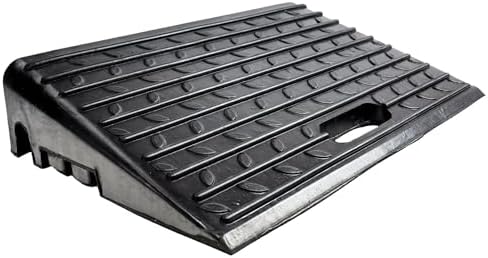
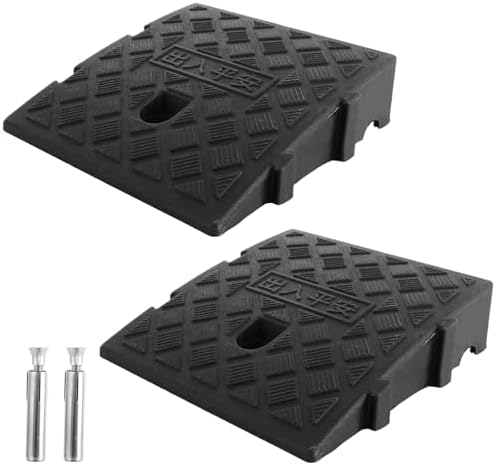

Precast concrete kerbs are widely used due to their durability and cost-effectiveness. They are manufactured off-site and delivered as complete units, making installation quick and efficient. These kerbs are commonly found in roadways and parking lots, providing a clear demarcation between vehicular and pedestrian areas, thereby enhancing safety. Their modular nature allows for easy replacement and customization to meet specific project requirements.
Natural stone kerbs, sourced from materials such as sandstone or limestone, are favored for their aesthetic appeal and durability. Often used in historic or high-end developments, these kerbs contribute to the visual landscape of public spaces and gardens. Their use extends beyond functionality, as they can elevate the overall design, making them particularly popular in urban beautification projects.
Granite kerbs are another premium option, renowned for their strength and longevity. Commonly found in city centers, they provide an elegant finish and withstand heavy traffic conditions. Granite’s resistance to weathering makes it an ideal choice for areas that experience substantial wear and tear, ensuring longevity and minimal maintenance needs.
In addition to their application in road construction, kerbs are integral in landscaping, where they help delineate garden beds and pathways. The robust characteristics of kerbs facilitate safe navigation through various landscapes, creating striking visual boundaries. Thus, kerbs exemplify a multifaceted solution that significantly contributes to safety and aesthetic value in both public and private projects.
Key Manufacturers of Kerbs in England
In England, the kerb manufacturing industry is home to several key players renowned for their high-quality products and commitment to innovation. Among these leading manufacturers is Marshalls plc, a company with a history spanning over 130 years. Marshalls is known for its extensive range of kerb products, including natural stone and concrete kerbs. Their dedication to sustainability is reflected in their eco-friendly manufacturing processes, which utilize recycled materials and minimize environmental impact.
Another prominent manufacturer is Forterra, which has established itself as a key supplier of precast concrete products. With a legacy that dates back to 1895, Forterra produces a variety of kerb designs tailored to meet the requirements of both residential and commercial projects. Their emphasis on quality assurance ensures that each kerb is constructed to withstand the test of time and heavy traffic, contributing to their strong reputation within the industry.
Blockleys Ltd stands out for its commitment to both innovation and traditional craftsmanship. Founded in the early 20th century, the company offers a wide selection of kerbs that cater to diverse aesthetic and functional needs. Blockleys employs state-of-the-art manufacturing techniques while staying true to artisanal methods, ensuring that their products meet industry standards without compromising on quality.
Other notable manufacturers include Landstone Ltd and Agg-Net, both of which have made significant contributions to the kerb landscape in England. Landstone is particularly recognized for its bespoke solutions, allowing clients to request custom kerb designs, while Agg-Net focuses on providing a comprehensive range of construction materials—including kerbs—that are designed for durability and efficiency.
As these manufacturers illustrate, the kerb production landscape in England is characterized by a strong focus on quality, sustainability, and innovation. Each player’s unique approach ensures that they not only meet regulatory standards but also cater to the evolving demands of their clients.
Selecting the Right Supplier for Your Project
Choosing the appropriate kerb supplier for your project is a critical step that can significantly impact the success of your undertaking. It is essential to assess various factors that contribute to the effectiveness and reliability of a supplier. First and foremost, consider the pricing structure. Obtaining multiple quotes from different suppliers allows you to compare costs and ensure you are getting a competitive price without compromising on quality.
The next vital factor is delivery timelines. Timely delivery of materials is crucial for maintaining the flow of construction or repair work. Suppliers that provide clear and realistic delivery schedules enhance project planning and reduce potential delays. Alongside delivery, it is important to examine customer service. A responsive and helpful customer service team indicates that the supplier values its clients and is willing to assist throughout the project process.
Another significant aspect in selecting a kerb supplier is the range of products available. Suppliers should offer a variety of kerb types, materials, and finishes to meet specific project requirements, ensuring that you have the options necessary for your design. Furthermore, consider the supplier’s industry experience. An established supplier with a proven track record in delivering quality kerbs adds a level of assurance regarding their products’ reliability.
To assess potential suppliers, it is prudent to check references from previous clients. Reading reviews and testimonials can provide insights into the supplier’s performance and reliability. Reviewing past projects can also help gauge the quality of their work and the suitability of their products for your specific needs. Lastly, it is vital to evaluate whether the supplier complies with industry standards, as this compliance reflects their commitment to quality and safety in manufacturing kerbs.
The Future of Kerb Manufacturing and Supply in England
The kerb manufacturing and supply industry in England is currently navigating a landscape marked by rapid technological advancements, growing consumer awareness regarding sustainability, and evolving regulatory frameworks. As urban development continues to expand, there are emerging trends that manufacturers and suppliers must consider to remain competitive in the market.
One significant trend is the adoption of advanced manufacturing techniques, such as automation and robotics. These technologies not only enhance the efficiency of production processes but also improve the precision and quality of kerb products. By integrating automation, manufacturers can reduce labor costs and increase output, allowing for scalability in response to urban growth demands. Furthermore, the implementation of digital tools, such as Building Information Modeling (BIM), facilitates better planning and coordination among stakeholders in construction projects, ensuring that kerb specifications meet local requirements effectively.
In addition to technological shifts, there is an increasing emphasis on sustainable materials in kerb production. Manufacturers are exploring recycled aggregates and eco-friendly alternatives to traditional concrete, responding to consumer preferences for environmentally responsible products. This shift not only meets the demands of a more sustainability-conscious market but also aligns with regulatory changes urging construction sectors to minimize their carbon footprints.
Moreover, suppliers in the kerb industry must adapt to changes in consumer preferences, which now include a desire for customized solutions. As public and private sectors work towards creating more pedestrian-friendly urban spaces, there is a rising interest in aesthetically appealing and functional kerb designs. This trend presents an opportunity for manufacturers to innovate and offer bespoke products that cater to diverse urban planning needs.
In conclusion, the future of kerb manufacturing and supply in England is poised to be shaped by technological advancements, sustainability initiatives, and a focus on consumer-centric design. The ability to adapt to these evolving challenges will be crucial for manufacturers and suppliers as they seek to thrive in an increasingly competitive landscape.